

Women’s pleasure can feel confusing when the loudest messages are full of pressure, performance, and mixed advice. Maybe you have wondered if your experience is normal. Maybe you have felt unsure about arousal, toys, touch, communication, or what pleasure is “supposed” to feel like.
Many women’s pleasure myths make sexual wellness feel more complicated than it needs to be. The truth is softer: pleasure is personal, arousal can be physical, emotional, mental, relational, and contextual, and confidence often grows through comfort, curiosity, consent, and pressure-free exploration.
There is no right way to explore pleasure. You are allowed to go at your own pace.
What are the most common myths about women’s pleasure?
The most common women’s pleasure myths are that pleasure should happen quickly, arousal is automatic, everyone likes the same kind of touch, toys replace intimacy, stronger sensation is always better, talking about pleasure ruins the moment, and there is one right way to experience pleasure. What actually matters is comfort, curiosity, communication, consent, emotional safety, body-safe products, and pressure-free exploration.
These myths matter because they can make people feel behind, broken, awkward, or inexperienced when they are simply human. Real bodies have different sensitivities, moods, histories, comfort levels, and timelines.
Quick comparison: women’s pleasure myths vs. what actually matters
| Common myth | Gentle truth | What actually matters |
|---|---|---|
| Pleasure should happen quickly | Every body responds differently | Comfort, patience, and curiosity |
| Women should know what they like automatically | Many people learn through exploration | Education without shame |
| Arousal is only physical | Stress, trust, mood, and safety matter too | Emotional comfort |
| Toys replace intimacy | Products can support connection | Communication and consent |
| Stronger sensation is always better | Gentle sensation may feel better for sensitive bodies | Buildable sensation |
| There is one right way to experience pleasure | Pleasure is personal | Real bodies, real experiences |
| Talking about pleasure is awkward | Conversation can reduce pressure | Reassurance and openness |
Explore Esmerelda’s beginner-friendly best sellers, because pleasure should feel safe, soft, and supportive from the beginning.
Myth 1: Pleasure should happen quickly
One of the most common female pleasure myths is the idea that pleasure should unfold quickly and naturally every time. That belief can create quiet pressure, especially when your body needs more time, softness, privacy, or emotional ease.
Pleasure is not a race. Stress, distraction, tiredness, self-consciousness, relationship dynamics, and comfort level can all affect how present someone feels. What matters is not speed. What matters is whether you feel safe enough to notice what feels good.
Myth 2: Arousal is simple and automatic
Female arousal myths often make arousal sound like an instant physical response. In real life, arousal can be influenced by mood, trust, environment, privacy, body awareness, and emotional connection.
This is why pressure rarely helps. Curiosity usually does. A calmer setting, softer communication, water-based lubricant and intimate essentials, or a less intimidating product may support exploration, but there is no universal formula. Sexual health education in Canada can also help people make informed, pressure-free choices without shame.
Myth 3: Everyone should like the same kind of touch
Pleasure is not one-size-fits-all. Some people prefer a light touch. Some prefer focused sensation. Some like a slower build-up. Some feel more comfortable with external exploration before trying anything internal. Some people enjoy toys, while others need more time before they feel curious.
This is the heart of real bodies, real experiences. Your preferences do not need to match anyone else’s. You are not behind if you are still learning.
Myth 4: Pleasure products are only for people with experience
Pleasure products are not only for people who already feel confident. Beginner-friendly pleasure products can offer a gentle way to explore body awareness, sensation, and comfort at your own pace.
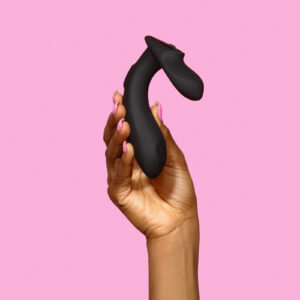
A soft, rounded clitoral stimulator like Roco Loco may be a calm first step for someone who wants buildable sensation. The portable Mini Vibes wand may suit someone looking for a compact, simple option. Our curated wellness Pleasure Pack bundle may help if you want variety without overthinking the choice.
Body-safe pleasure products should feel supportive, not intimidating. If you are new, look for non-porous materials, easy cleaning, quiet designs, and shapes that feel approachable.
Myth 5: Toys replace intimacy
Toys do not have to replace connection. For some people, they support curiosity, communication, and shared exploration. For others, they are a private part of solo play. Both are valid.
In partnered exploration, the product is not the centre of the experience. Comfort is. Communication is. Consent and comfort should guide the pace, especially when introducing something new. Couple-friendly toys can be part of intimacy, but they should never feel like pressure or a performance. Explore options like the elegant Charlotte model or check out alternatives like the flexible Kii device and the signature Joani design across our main web collections to find your perfect fit.
Myth 6: Stronger sensation is always better
Stronger does not always mean better. For sensitive bodies, softer and more buildable sensation may feel more welcoming. A toy that feels too intense too soon can make exploration feel overwhelming instead of enjoyable.
This is why quiet and discreet pleasure products, beginner vibrators, clitoral vibrators, and gentle settings can be useful starting points. You can always explore more intensity later. Starting softly is not less confident. It is thoughtful.
Lubricant can also support comfort. A water-based lubricant such as Smooth Operator may help reduce friction and make exploration feel smoother, especially when using intimate wellness products. Browse our core digital boutique on the Esmerelda Shop catalog to build out your collection.
Myth 7: Talking about pleasure ruins the moment
Talking about pleasure can feel awkward at first, but silence often creates more pressure than honesty. Gentle conversation can make exploration feel safer, especially with a partner.
You do not need a perfect script. Simple language can help: “Can we go slower?” “I’m curious about this.” “That feels comfortable.” “I’m not ready for that yet.” These small moments can build trust.
Pleasure without pressure often begins with permission to be honest. For more helpful wellness answers, return back to our main index hub on our Esmerelda homepage.
What actually supports women’s pleasure?
Women’s pleasure is supported by emotional safety, curiosity, body awareness, communication, privacy, consent, and products designed for intimate use. Body-safe pleasure toys, beginner-friendly product descriptions, water-based lubricant, and clear cleaning habits can make exploration feel calmer, but they should never be framed as requirements.
If you share toys, hygiene matters. HealthLink BC recommends that people clean sex toys between each use as part of safer-use basics. Choose products designed for intimate use, follow product care instructions, and avoid improvised household objects that are not body-safe, non-porous, or easy to clean.
Key takeaways
- Women’s pleasure myths can create pressure, but pleasure is personal.
- Arousal is not only physical. Mood, comfort, trust, privacy, and emotional safety can matter too.
- Beginner-friendly pleasure products can support exploration, but they do not need to replace intimacy.
- Stronger sensation is not always better. Gentle, buildable sensation may feel more comfortable.
- Communication can reduce pressure, especially for couples.
- Body-safe materials, water-based lubricant, cleaning, and privacy can make exploration feel safer and more relaxed.
FAQ about women’s pleasure myths
What are common myths about women’s pleasure?
Common myths include the ideas that pleasure should happen quickly, arousal is automatic, everyone likes the same touch, toys replace intimacy, stronger sensations are always better, and there is one right way to experience pleasure.
Is women’s arousal always physical?
No. Arousal can be physical, emotional, mental, relational, and contextual. Stress, comfort, privacy, communication, trust, and mood can all influence how connected someone feels.
Do pleasure products replace intimacy?
No. Pleasure products can support solo exploration or partnered connection, but they do not need to replace intimacy. They work best when they feel like an invitation, not pressure.
Are beginner-friendly pleasure products only for solo use?
No. Some beginner-friendly products are designed for solo exploration, while others can be used in partnered experiences. The right choice depends on comfort, communication, and consent.
What helps women feel more comfortable exploring pleasure?
Comfort often starts with emotional safety, privacy, curiosity, body-safe products, gentle pacing, and clear communication. It also helps to let go of comparison and explore at your own pace.
Is stronger stimulation always better?
No. Some people prefer a gentle, buildable sensation, especially when they are sensitive or new to pleasure products. Stronger sensation is not automatically more enjoyable.
Do I need lubricant to explore pleasure products?
Not always, but water-based lubricant can support comfort and reduce friction. It can be especially helpful with internal products or when you want a smoother experience.
How do I clean pleasure products safely?
Follow the product instructions, clean products before and after use, dry them fully, and store them somewhere clean. If toys are shared, cleaning between each use is especially important.
Conclusion: pleasure should not feel like a test
Women’s pleasure myths can make people feel like they are supposed to know everything already. But pleasure is not a test, a timeline, or a performance.
It is personal. It can be gentle. It can be curious. It can change with your mood, your body, your relationship, your stress level, and your sense of safety.
What actually matters is not doing it “right.” What matters is feeling informed, respected, comfortable, and free to explore at your own pace.
Shop Esmerelda’s pleasure products, because pleasure should feel simple, safe, and personal.
Subscribe to the Esmerelda newsletter, because gentle guidance can make pleasure feel less confusing.