
Women’s pleasure is a reality, but it remains shrouded in confusion. People often learn about what women’s pleasure is supposed to be like, rather than understanding what it authentically feels like for the individual. It can vary dramatically from one woman to another, which is precisely what makes it a challenging topic to discuss. Even for the women experiencing it, their own pleasure isn’t always straightforward to understand.
At Esmerelda, we believe pleasure should be accessible, enjoyable, and safe for people and their personal space. There is no need to rush or feel pressured, nor is there any reason to worry about external judgment. Whether you are just starting to figure out what you like, trying to reconnect after feeling depleted, or wanting to explore something new with your partner, Esmerelda is here to help. The essential first step is to set aside the common misconceptions about pleasure.
Let’s talk about the most prevalent myths surrounding women’s pleasure—and what truly matters instead.
Myth 1: Women’s Pleasure Is Complicated or Hard to Figure Out
This narrative has been told for a long time, and it often leaves people feeling inadequate or as if they are failing at feeling happy. The truth is actually more straightforward. Women’s pleasure isn’t inherently difficult to understand; it’s about discovering what each individual woman enjoys.
Our bodies are all unique and respond differently to various circumstances. Factors like stress levels, sleep, hormone cycles, and mental state can significantly affect how we perceive sensations. Sometimes pleasure comes easily—our bodies respond immediately—and other times it does not. We might not feel as much. This doesn’t mean anything is wrong with our bodies; it just means our bodies are communicating what they need in that moment. Pleasure can feel intense one day and very subtle the next. Our bodies are responding to life’s natural fluctuations, and that is completely normal.
Pleasure can seem elusive when we focus on a preconceived outcome rather than on the present-moment sensations. When we treat pleasure as a performance metric or a goal to achieve, it becomes harder to pay attention to the subtle details: a feeling of warmth, a specific kind of pressure, or a sensation that builds slowly. Pleasure is hard to recognize when we are constantly focused on results.
What genuinely helps is cultivating a sense of curiosity without self-judgment. Take time to notice what feels good and what doesn’t, without labeling anything a success or a failure. Experiment with different kinds of touch, rhythms, and pressures. The goal is to let pleasure be something you discover rather than something you achieve. Curiosity about what feels good, what doesn’t, and about different types of stimulation is what guides us forward.
When you stop trying to match a specific, external idea of pleasure and start listening to your body’s signals, things tend to feel clearer and more natural. Pleasure becomes less about “figuring it out” and more about allowing it to unfold organically.
Myth 2: You Need Experience to Enjoy Pleasure Toys
Many people believe that vibrators and other pleasure toys are only for experienced users. The truth is that these tools can be incredibly helpful and approachable for those just beginning their exploration.
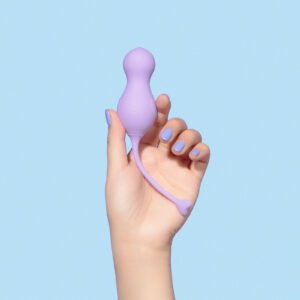
Pleasure toys are excellent for building confidence and familiarity. Beginner-friendly vibrators are specifically designed to be intuitive, with simple controls and comfortable, easy-to-hold shapes. Their gentle settings allow you to experiment without feeling rushed or overwhelmed. They can serve as wonderful guides for learning about your own preferences in a low-pressure way.
Using a vibrator is straightforward. You don’t need prior knowledge or technical expertise. There’s no single “right” way to hold it or use it. You can start with any setting you like, pause, try something different, or stop altogether. The key is to remember that using a vibrator is about you and what you enjoy. It’s a personal tool to help you feel good, not a performance for anyone else.
Safety and comfort are paramount. Choosing toys made from body-safe materials—like non-porous, phthalate-free silicone—ensures you can relax and enjoy the experience with peace of mind. Features like quiet motors and waterproof designs add to the ease, practicality, and discretion, which is especially valuable when you’re starting out.
What truly matters is how a toy supports your personal journey. A good beginner vibrator helps you discover what kinds of sensations your body enjoys, all at your own pace and without any pressure. It’s not about accomplishing a task, but about becoming more comfortable and attuned to your body’s unique responses.
Pleasure toys are not a badge of experience. They are a starting point, a learning tool, and for many, a gentle introduction to what pleasure can feel like when it’s truly their own.
Myth 3: Orgasms Are the Only Measure of Good Pleasure
There’s a widespread belief that women’s pleasure is synonymous with orgasm. This is not true. While orgasms can be wonderful, they are not the sole measure of a pleasurable or successful experience.
Women’s pleasure encompasses the entire spectrum of feeling good and enjoying the moment—the sensations of connection, warmth, relaxation, curiosity, and excitement. Sometimes pleasure leads to orgasm quickly; other times it builds slowly, or not at all, and that’s perfectly okay. The real goal is the enjoyment and connection itself, not a specific physiological endpoint.
When pleasure becomes solely about reaching a finish line, it often creates a performance pressure that can undermine the entire experience. When the focus shifts to simply noticing and enjoying what feels good in your body, orgasms tend to happen more naturally, if and when the body is ready.
Myth 4: Vibrators Replace Intimacy With a Partner
Some people fear that introducing a vibrator into a relationship will detract from or replace partnered intimacy. In reality, vibrators can enhance closeness and connection. They don’t replace a partner; they can become a valuable part of shared intimacy.
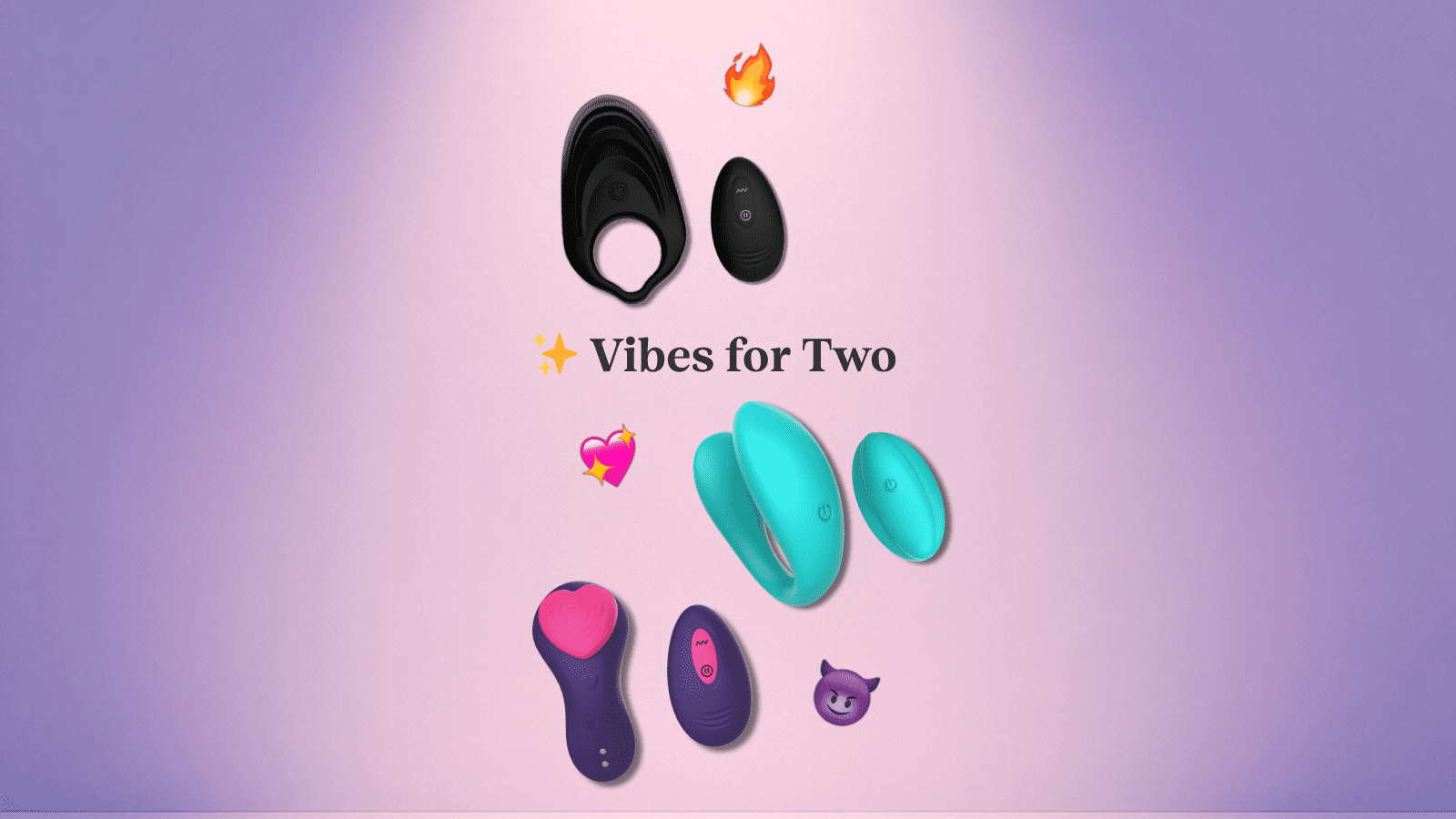
Using pleasure toys with a partner can improve stimulation, open up new avenues for communication, and deepen a sense of shared exploration. Many couples find that vibrators help them stay connected, explore new sensations together, and enjoy closeness without the pressure or performance anxiety that can sometimes accompany sex.
What matters most is how you integrate them. Partner-controlled toys, mutual exploration, and open, honest conversations can transform vibrators from perceived competitors into tools for deeper connection and discovery.
Myth 5: There Is a “Right” Way to Experience Pleasure
People experience pleasure in vastly different ways. Some prefer deep, slow pressure; others enjoy light, gentle touch. Some like focused, direct stimulation, while others prefer indirect play or straightforward, familiar sensations. What works wonderfully for one person may not work at all for another, and that’s not just okay—it’s to be expected.
You don’t have to like what you see portrayed online or what friends might talk about. You might intellectually expect something to feel a certain way, but your body may respond entirely differently. Our bodies are wonderfully unique, and pleasure is not a standardized experience.
What matters is giving yourself full permission: permission to explore without judgment, to change your mind, and to enjoy what feels good today—even if it’s different from what felt good yesterday or what you think you should like.
Myth 6: Pleasure Toys Are Unsafe or “Unnatural”
This myth often stems from a lack of accessible information or from exposure to poorly made products. High-quality pleasure toys made from body-safe materials—like medical-grade silicone, ABS plastic, or stainless steel—are designed specifically to be safe, hygienic, and comfortable for intimate use.
These products are crafted from non-porous, phthalate-free materials that are easy to clean effectively. Features like waterproof designs and quiet motors make them practical, discreet, and simple to maintain. Their shapes are ergonomically considered for comfort and ease of use.
What matters is making informed choices by selecting trusted brands that transparently prioritize safety, thoughtful design, and user discretion. Investing in a well-made pleasure toy is a valid and caring act of self-care.
Myth 7: You’re Late to Pleasure
This myth can be particularly insidious and damaging. The truth is, there is no universal timeline or expiration date for pleasure.
People discover and reconnect with their bodies at all different stages of life. Some come to a deeper understanding of their pleasure after periods of stress, burnout, illness, or major life changes. Others may begin exploring their preferences after a long time of feeling disconnected or simply not prioritizing their own pleasure.
You are not behind. You are not missing a secret that everyone else knows. You are exactly where you need to be on your own path.
What matters is beginning from where you are, with compassion and open curiosity. Pleasure doesn’t require you to “catch up” to anyone; it simply and warmly invites you to begin your own exploration.
What Actually Matters When It Comes to Women’s Pleasure
When you strip away the myths, some universal and grounding principles remain true for every person and every experience.
Feeling safe and secure in your body matters. Having access to reliable information and body-safe products matters. Honoring your own pace matters. Being informed without feeling overwhelmed matters.
Pleasure thrives in an atmosphere free from pressure and external expectations. It flourishes when you can take your time, explore what you like without agenda, and remain true to your own authentic desires. It is most fulfilling and sustainable when it’s centered on your own experience.
This is why holistic education is as important as the products themselves. Clear guides, trustworthy tutorials, and straightforward information help remove guesswork and anxiety, allowing you to focus on sensation and discovery rather than confusion.
A Gentler Way to Explore Pleasure
Pleasure doesn’t have to be loud, extreme, or intimidating to be valid. It can be found in simple, comforting, and quiet sensations. It is deeply personal and subjective—what brings one person profound pleasure may not resonate with another, and that is the point.
Whether you’re starting from scratch, reconnecting with your body after a hiatus, or exploring new dynamics with a partner, it matters to choose body-safe toys you feel genuinely comfortable with. It also makes a significant difference to have access to supportive, non-judgmental resources and a space that respects your pace without rushing you.
At Esmerelda, we believe pleasure should meet you where you are—with no pressure, no unnecessary confusion, just thoughtful options that are designed to actually feel good.
In the End
Women’s pleasure is not a puzzle to be solved, a performance to be perfected, or a standard to be met. It isn’t a mystery you have failed to decode or a benchmark you have somehow missed. Pleasure is an ongoing relationship with yourself, and like any meaningful relationship, it deepens with time, gentle attention, and trust.
That relationship naturally evolves as you do. What felt good years ago may feel different now. Stress, life transitions, growing confidence, and emotional safety all dynamically shape how your body experiences and expresses pleasure. None of this means you’re doing it wrong. It means your body is communicating honestly with you, and it’s an invitation to listen.
When you begin to let go of the myths, the rigid expectations, and the constant comparisons, something internal softens. Pleasure stops being about speed, achievement, or a specific outcome. It transforms into a practice of presence—of noticing what feels comforting, exciting, grounding, or nourishing in your body, even if those feelings are subtle at first.
Feeling truly at home in your own skin doesn’t happen overnight. It’s built gradually through small, consistent moments of curiosity and care. It’s fostered by choosing tools that feel safe and supportive, and by allowing yourself the freedom to explore without pressure and without apology.
You deserve a experience of pleasure that feels genuinely good, not forced; that feels safe, not overwhelming; that feels authentically and uniquely yours, not borrowed from someone else’s story.
There is no timeline you have missed. There is no version of pleasure you need to race toward. Whether you are just beginning, returning after a long pause, or learning something entirely new about yourself, you are exactly where you need to be.
You are not late to pleasure. You are right on time.